The great migration, month by month
More than a million wildebeest and hundreds of thousands of zebra make a full circuit of the ecosystem each year, following the rain. It is not an event with a date: it is a continuous movement, and all that changes is where the herd is at any given moment.
From December to March the migration is on the southern plains, around Ndutu. February is the calving: roughly half a million calves are born in barely three weeks, and every predator in the park is behind them. It is the best time to see a hunt.
From April to May the long rains arrive and the herd starts moving west and north. It is the worst time to travel: many tracks become impassable and several camps close.
From June to July the action is in the western corridor and the first crossings of the Grumeti river. From July to October the herd is in the north and crosses the Mara river into Kenya: these are the crocodile crossings from the documentaries. It is high season, with everything that implies for prices and for vehicles.
In November they come back south with the short rains and the cycle starts again.
What to see outside migration season
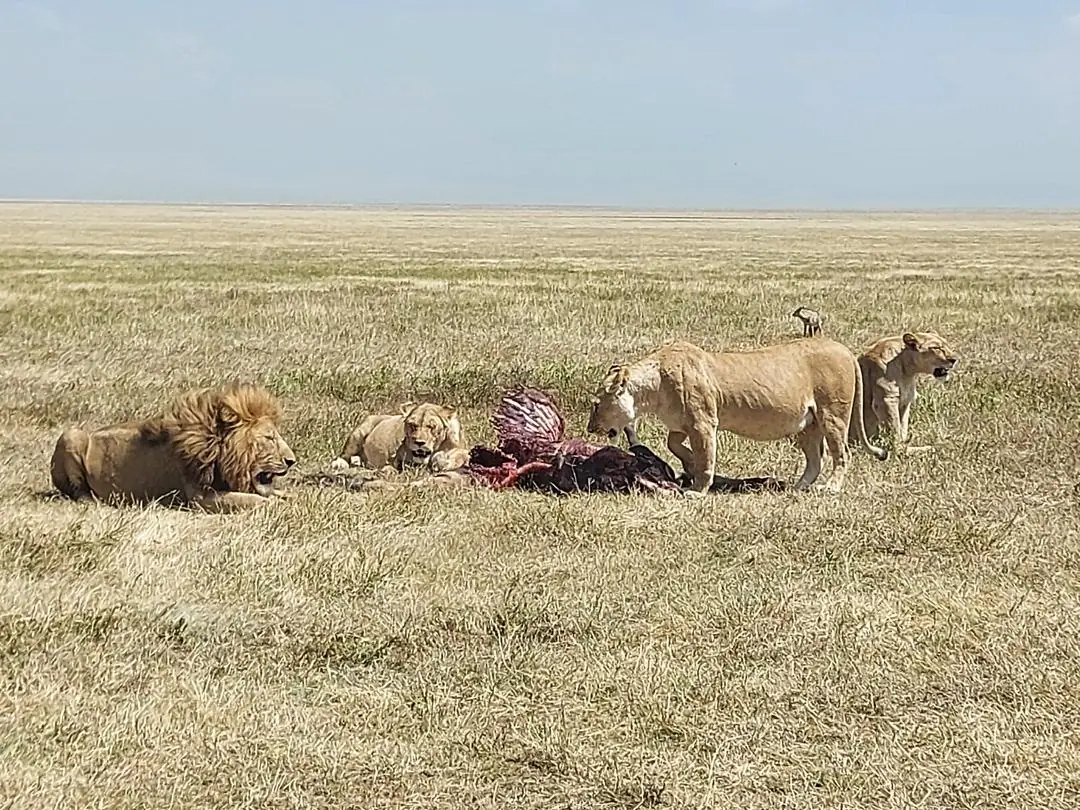
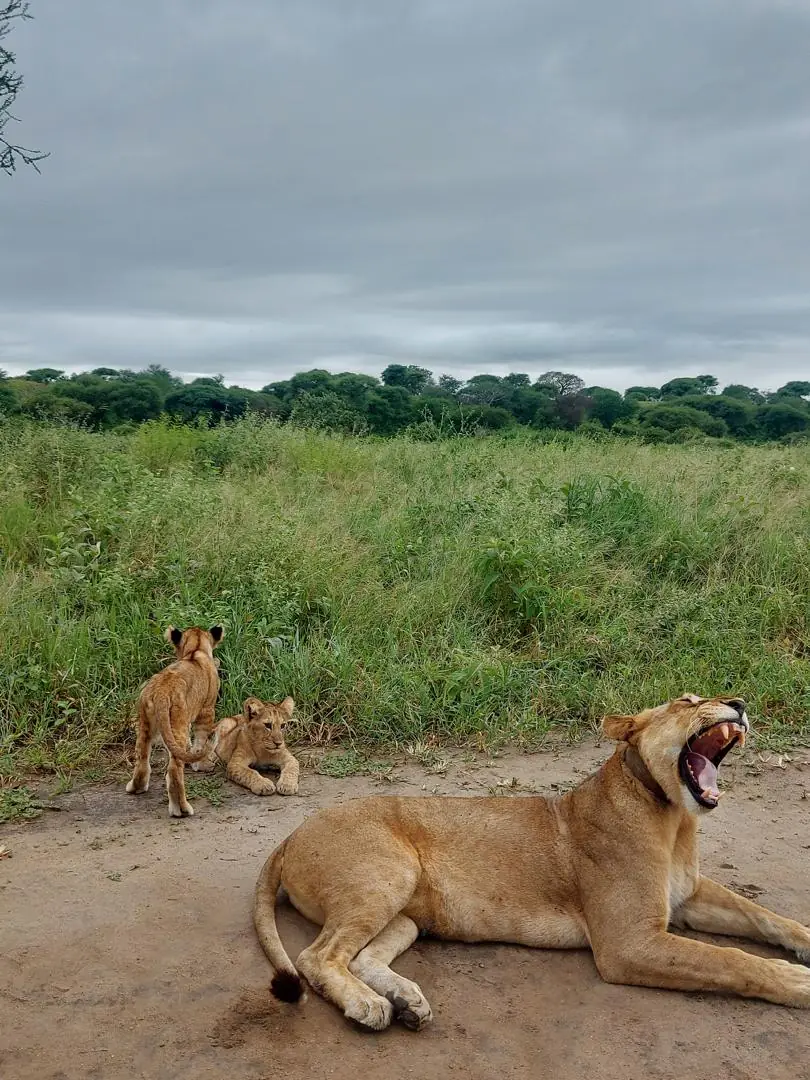
The Serengeti does not empty when the herd leaves. The predators are resident: lions hold fixed territory and do not follow the wildebeest beyond it.
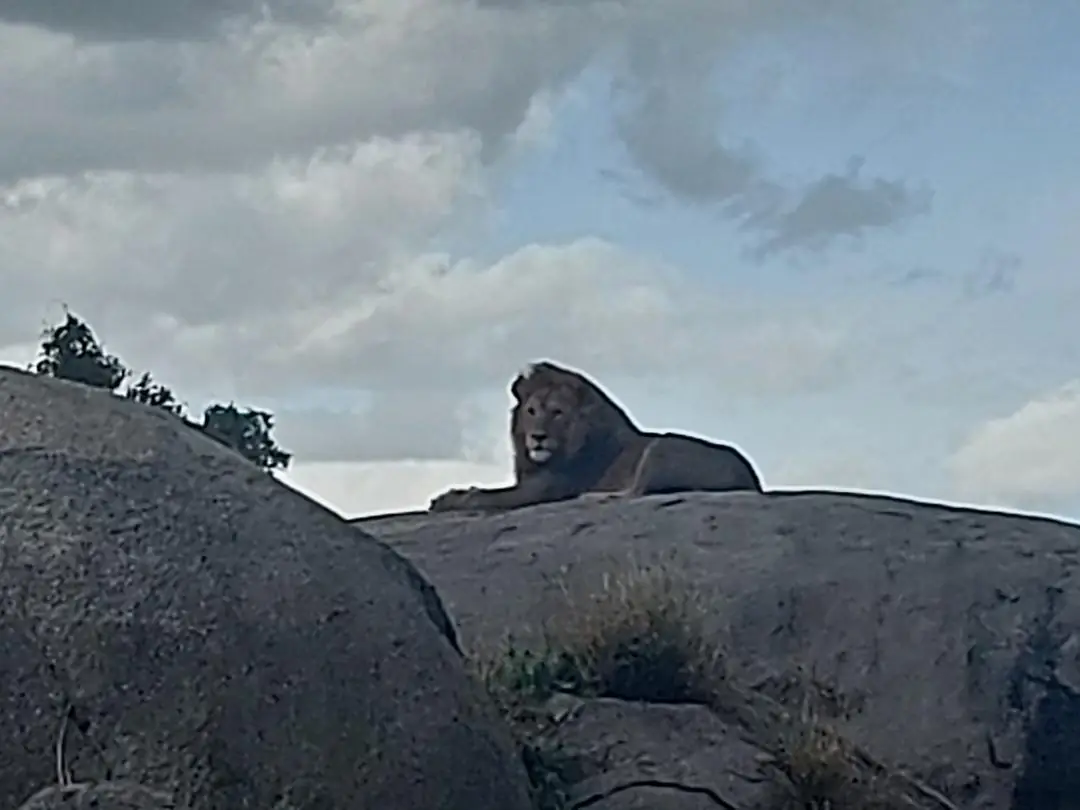
The centre of the park, Seronera, has one of the highest lion densities on the continent and water all year, so it works in any month. The kopjes — those granite outcrops rising out of the plain — are where they lie up, because from the top you see everyone coming.
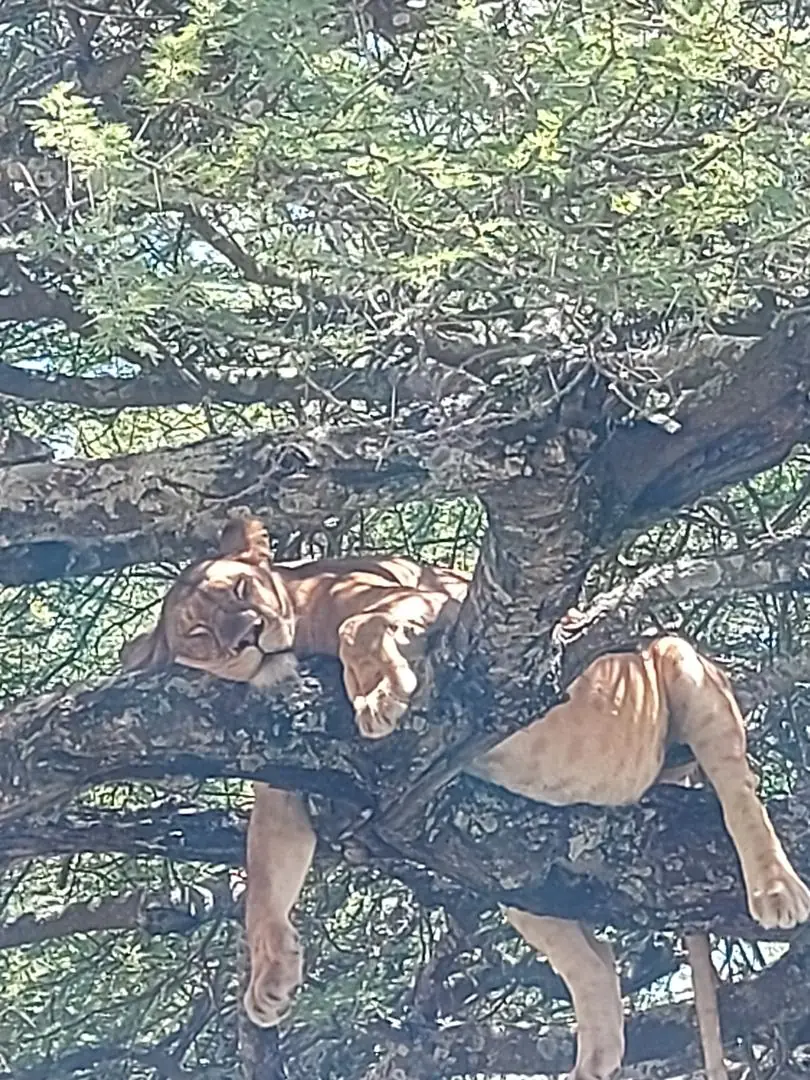
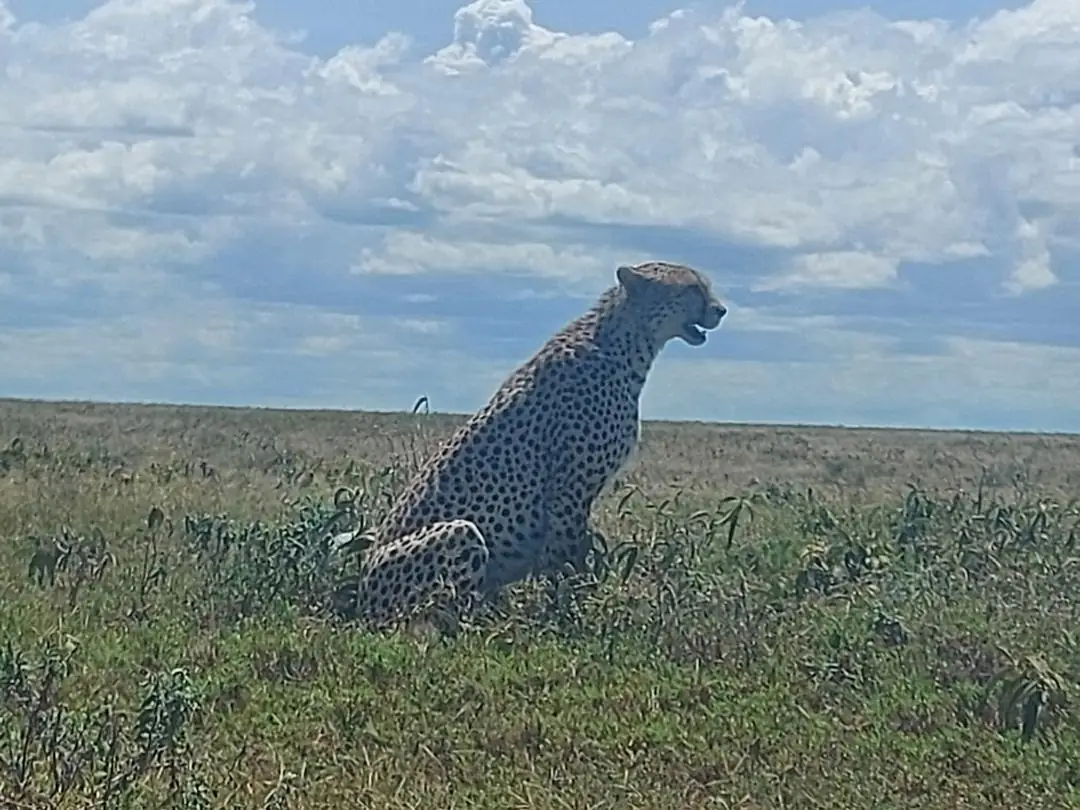
It is also one of the best places in Africa for cheetah, which needs open plain to run, and for leopard in the acacias along the rivers.