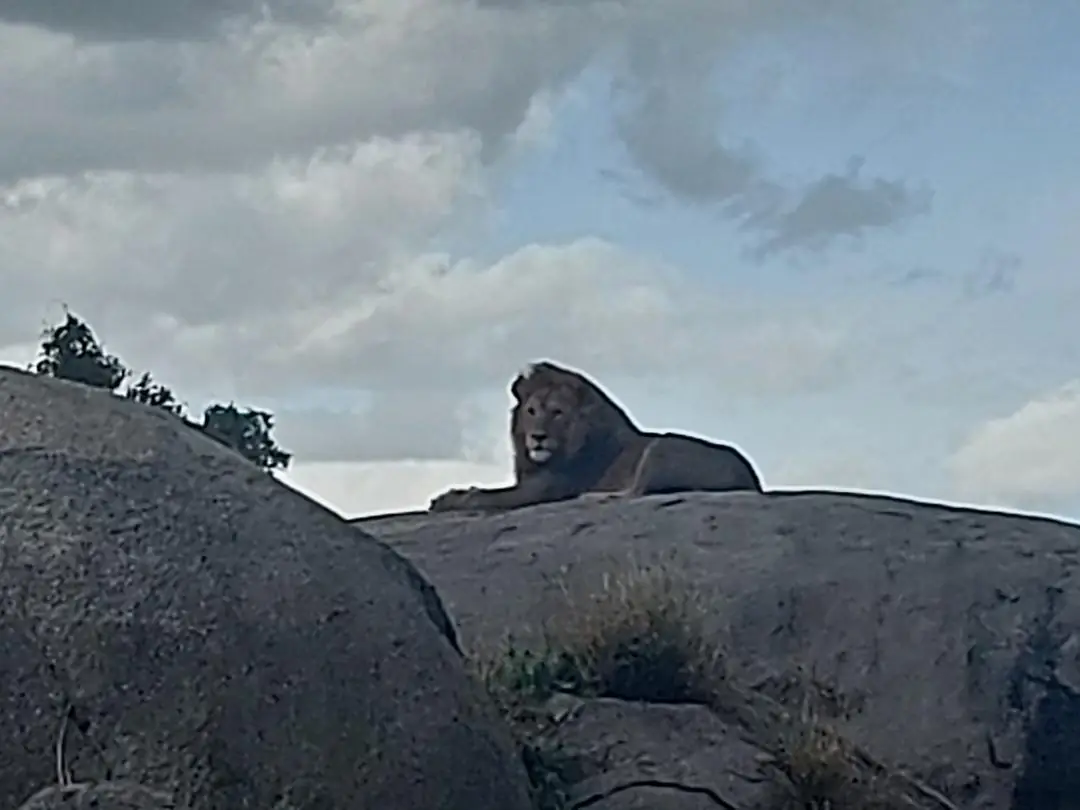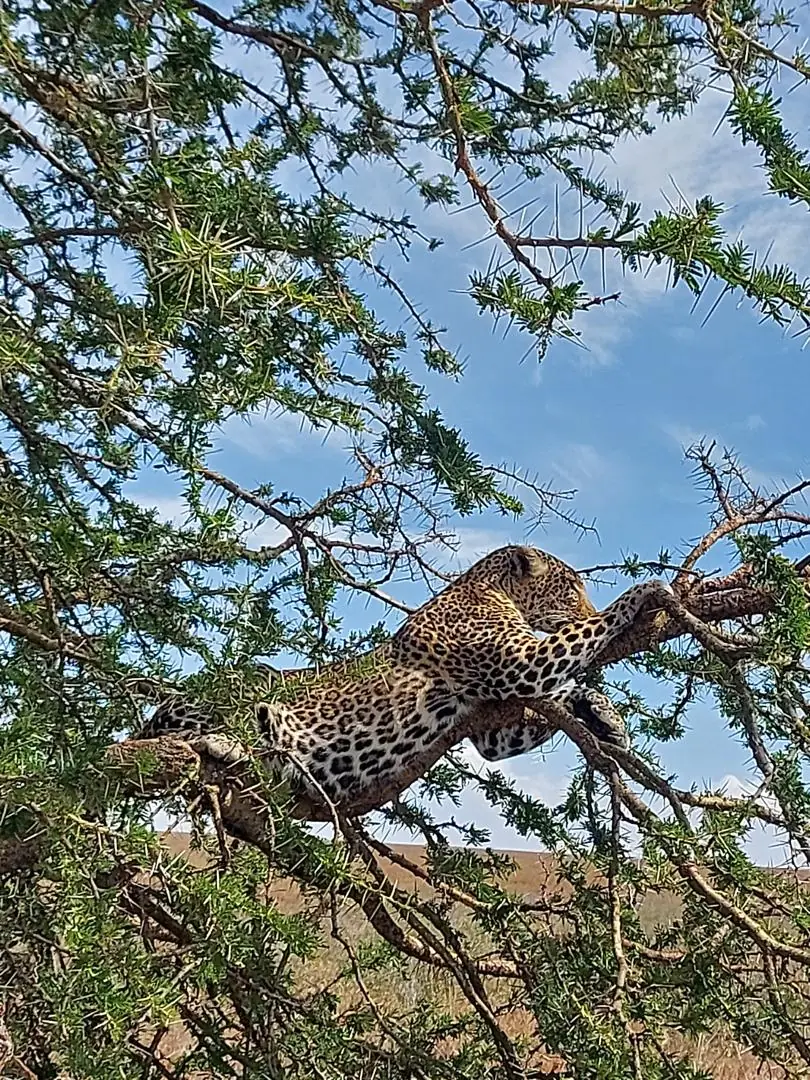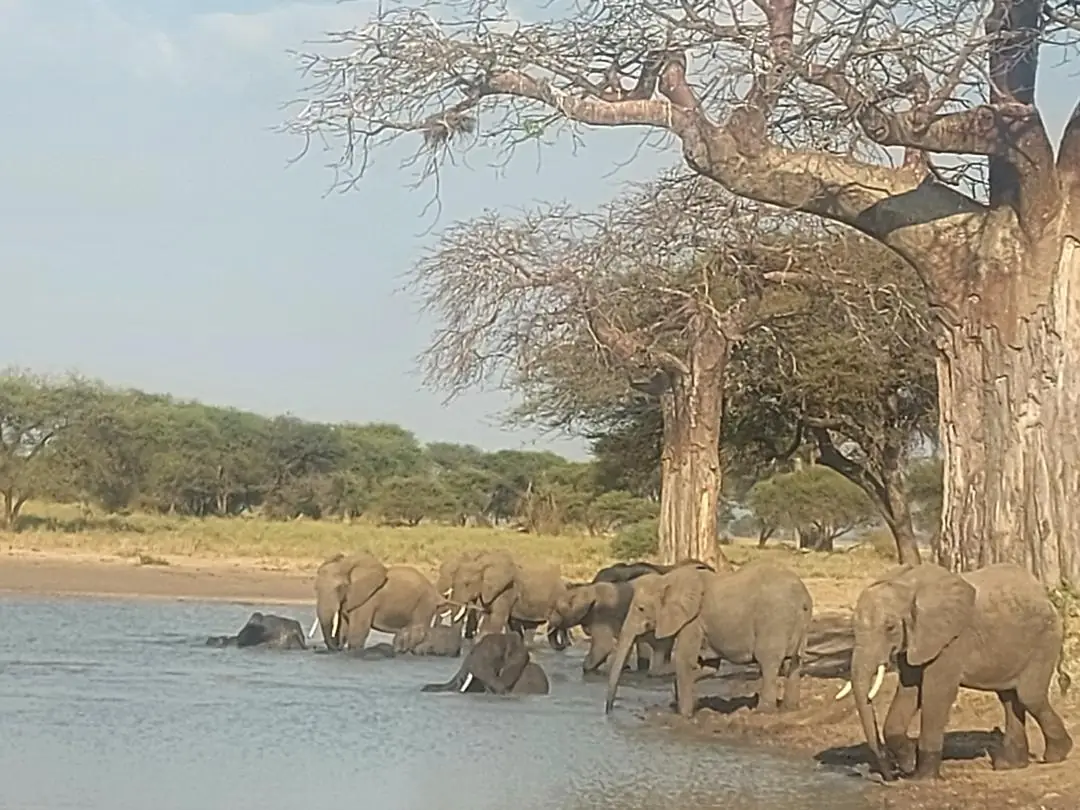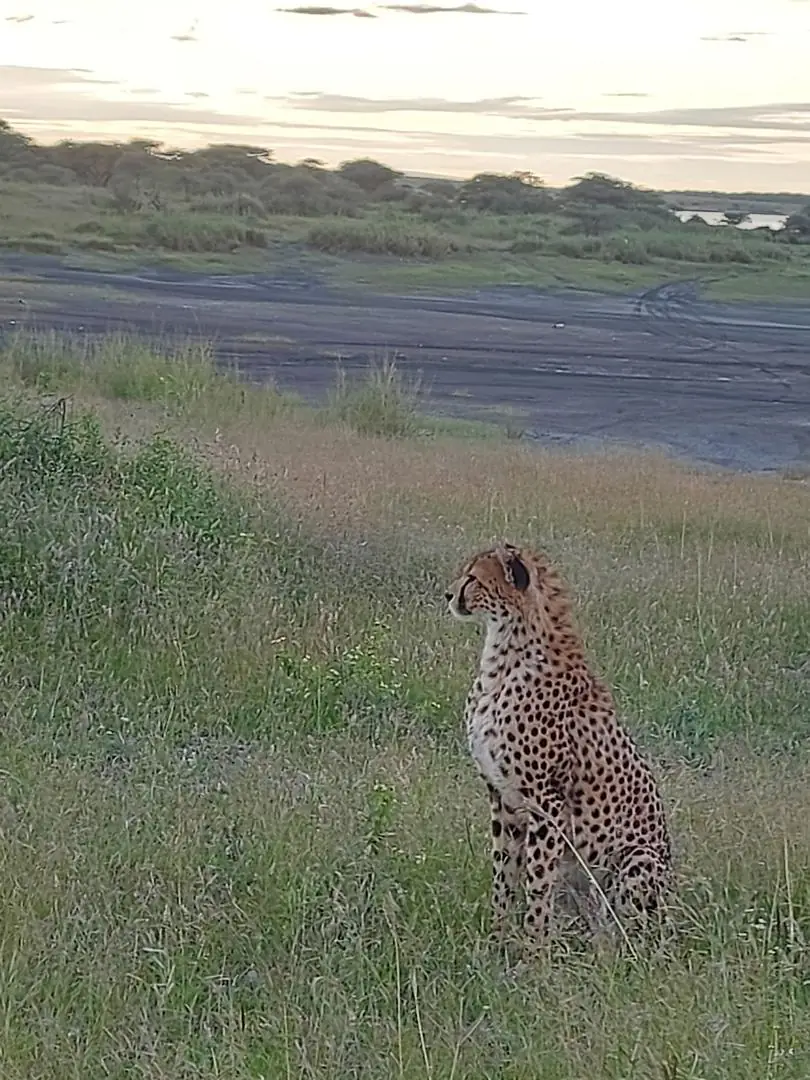

What private actually means
On a shared safari you ride with six or seven strangers and the route is set by the lowest common denominator: if most people want to be back at camp by four, back you go. If someone feels carsick, you stop. If you want one more hour waiting for the leopard to come down from the tree, you cannot have it.
On a private one the vehicle is yours. You leave when you like, stay where you like and stop as often as you need. It costs a little more per person if there are two of you, but from four upwards the difference thins out and the trip is nothing like the same.
How the route gets built
You tell us how many of you there are, how many days you have and what you want to see. From there we propose the run: how many nights in each park, in what order, and what time of day to be where.
The order matters more than it looks. The Serengeti changes completely month to month: between January and February the migration is calving in the south, and between July and October it plays out on the rivers in the north. Being in the wrong place in the wrong month is the difference between thousands of wildebeest and an empty plain.
Pace matters too. One park a day sounds like a lot of safari and turns out to be a lot of road: distances in northern Tanzania are long and the tracks are slow. Two nights in the Serengeti are worth more than four parks taken at a run.
The vehicle
A Toyota Land Cruiser with a pop-up roof, the standard in Tanzania for a reason: the tracks destroy anything else. The roof lifts and you stand up through it, head out in the air, which is how this is meant to be seen.
Cool box with water, sockets to charge a phone and a camera, and room to spare: on a private safari nobody sits in the middle seat.